
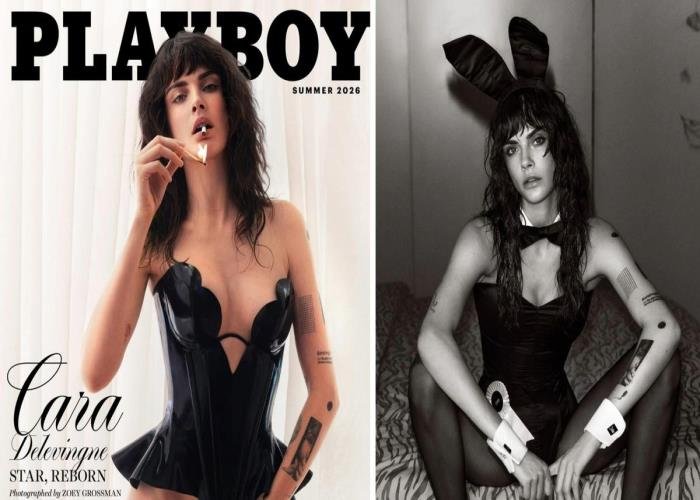

Playboy Playmates have been a recognizable part of American popular culture for decades. The term refers to women featured as the magazine’s Playmate of the Month or Playmate of the Year, a tradition that began with Playboy magazine in the 1950s. Over time, the role became about more than appearing in a magazine. It became associated with fashion, celebrity culture, photography, entertainment, and changing ideas about beauty.
The history of Playboy Playmates also reflects broader changes in society. What audiences expected from glamour photography in the 1950s was very different from what readers expected decades later. As attitudes toward sexuality, representation, media, and women’s careers changed, the Playmate concept changed with them.
Today, discussions surrounding former Playmates often focus not only on their magazine appearances but also on their careers, personalities, achievements, and lives beyond modeling. Looking at that larger picture provides a more complete understanding of why the Playmate tradition has remained culturally recognizable for so long.
What Does Playboy Playmate Mean?
A Playboy Playmate is a model selected to appear as the featured centerfold in a particular issue of Playboy. Traditionally, one woman was selected each month and given the title “Playmate of the Month.” At the end of the year, one of the monthly Playmates could be selected as “Playmate of the Year.”
The concept was introduced during the early years of Playboy, which was founded by Hugh Hefner in 1953. Marilyn Monroe appeared on the cover and in the magazine’s first issue, although she was not technically the first Playmate of the Month under the later-established system. The magazine subsequently developed its Playmate tradition into one of its most recognizable features.
Playmates were generally presented through professional photography accompanied by a short profile. These profiles could include information about the model’s interests, background, ambitions, and personality. The combination of photography and biographical material helped create a public identity around each featured model.
For many readers, the Playmate became one of the defining symbols of Playboy. The role eventually became recognizable even to people who did not regularly read the magazine.
The Early Years of the Playmate Tradition
The earliest decades of Playboy were shaped by the postwar American entertainment landscape. Glamour photography, Hollywood celebrities, pin-up culture, and men’s magazines were already popular, and Playboy positioned itself as a more sophisticated version of that publishing category.
During the 1950s and 1960s, the visual style of Playmates reflected the beauty standards of the period. Photography tended to emphasize polished studio portraits, carefully arranged settings, and a glamorous presentation. The magazine’s aesthetic gradually developed its own recognizable identity.
As the years passed, Playmates came from increasingly varied professional and personal backgrounds. Some were aspiring actors or models, while others pursued completely different careers before or after their appearance in the magazine.
The cultural environment also changed significantly during this period. The sexual revolution, changing attitudes toward relationships, and the growth of television and celebrity media all influenced how glamour models were viewed.
The Playmate title became increasingly recognizable, and being featured could provide opportunities in entertainment, advertising, modeling, and public appearances.
How Playmates Influenced Popular Culture
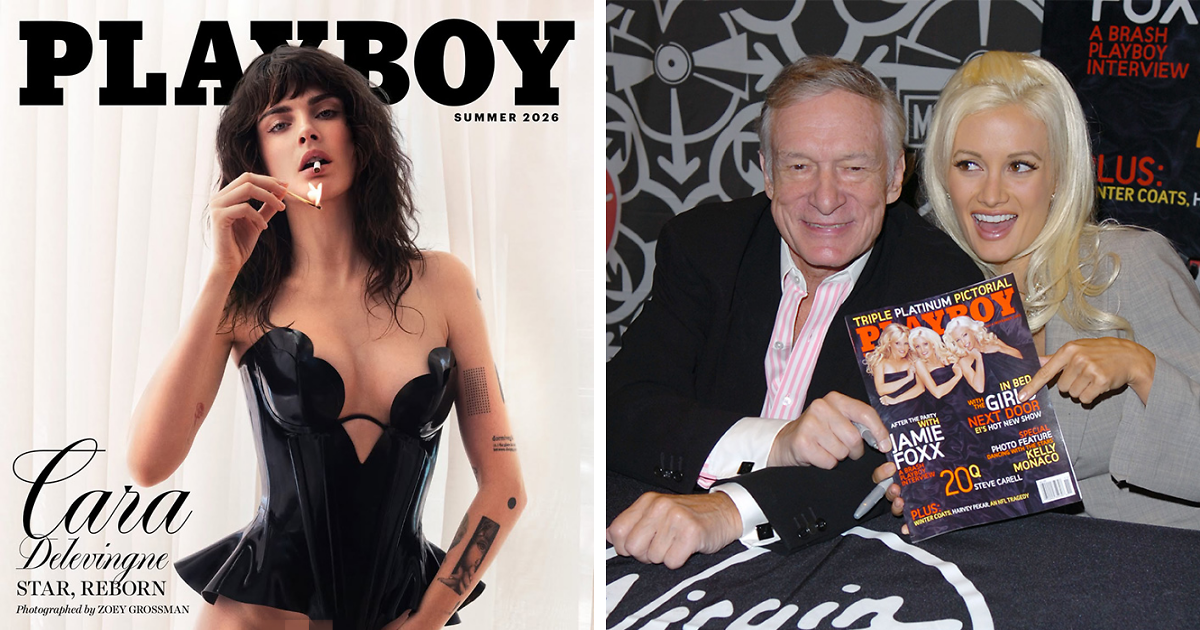
Playboy Playmates was more than just the magazine. Others of the Playmates emerged as household names and others leveraged their exposure to escalating into other professions.
The Playboy brand was strongly identified with a specific type of mid-century glamour. Its photography, visual design, fashion, and association with celebrities contributed to creating an aesthetic that had an effect on advertising and popular media.
The models of former Playmates were sometimes featured in films, TV shows, advertisements, and other entertainments. Their long-term public biographies could also include their appearances in the magazines.
Meanwhile, the tradition of Playmate was a source of controversy. Aligners considered glamour modeling as either a way of individual preference, professional modeling, or self-expression. Critics have posed questions about how the bodies of women were sold in commercial media and asked more general things concerning objectification and gender ideals.
The competing sides of the argument have continued to feature in debates on Playboy and its cultural heritage.
Playmates and Changing Beauty Standards
The changing definitions of beauty is one of the most fascinating features of the Playmate tradition.
The magazine, during the earlier years of its existence, to a significant extent embodied the mainstream glamour norms of the day. Subsequent generations added various hairstyles, fashion trends, types of bodies, types of photography styles and culture.
Beauty started to be perceived more and more diversely with media viewers. Diverse racial and cultural models were featured in the magazine, which led to a greater aspect of beauty being portrayed compared to its initial years.
This development was not an overnight event. It evolved over time with the shifts in the American society and entertainment industry at large.
The very photography was changed, as well. The improvements in the cameras, lights, printing, digital and editing technologies changed the presentation of models. The refined studio aesthetic of the previous decades ultimately co-existed with more modern photography and visual story telling.
With the rise of the power of social media, the model-audience relationship shifted once more. Models would be able to interact directly with their fans rather than being totally dependent upon magazines, agencies, television shows, or conventional publicity.
Famous Playmates and Life After the Magazine
Even though the title of Playmate is what tends to make these ladies most readily recognizable first, numerous former Playmates continued to pursue non-magazine related careers.
Others remained in modeling/entertainment. Others were actresses, TV icons, business people, writers, activists or business people. The magazine look marked an event in the career of some of them; it was merely one episode, in a long professional tale, of others.
This is a significant difference in conversation of former Playmates. The inclusion in a magazine feature can not always determine the whole person and his or her job.
Numerous models who got noticed in Playboy subsequently started their own careers. Their lives reveal that through media exposure, there are opportunities that can be created and there are expectations that can be redefined as people engage in years of revisiting their life.
The former Playmate can also retain the interest of the people at a much later date than when they were originally in the market. The magazine has continued to keep numerous stories in the popular discourse through the interviews, documentaries, biographies, social media, and retrospective articles.
The Digital Era and the Changing Role of Glamour Models
The modeling industry was revolutionized by the internet. Prior to online media, magazines and television constituted some of the primary avenues that could make a model reach a big audience. Nowadays, social networks, websites of users, online magazines, the subscription systems offer numerous other paths to social presence.
This has transformed the notion of being a glamour model. Individuals are now able to create their own brands, directly interact with their fans, advertise companies and have more direct control of their own image.
Expectations related to privacy and publicity have changed too. A picture released decades ago may end up having an extremely different life when compared to a picture posted online today. Digital media is capable of being copied, stored and republished immediately (Tang).
That is why the discourse concerning previous Playmates is increasingly based on the theme of individual branding, online personality, consent and image control.
The entire modeling business has also awakened to professional boundaries and portrayal. Audiences nowadays often demand more information on the treatment of models, and the use of their image.
Why the Playboy Playmate Legacy Still Matters
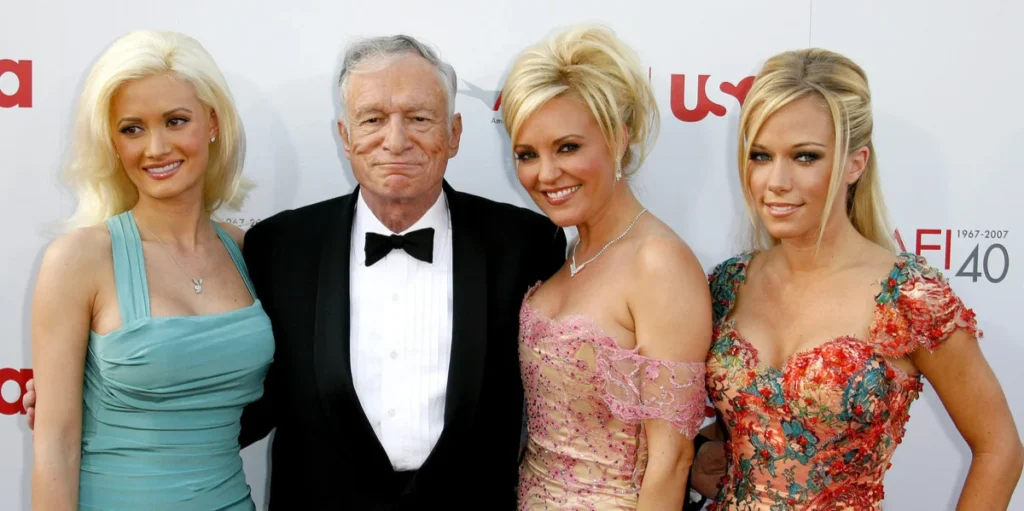
Another theory that is partially related to the unceasing popularity of Playboy Playmates is the sense of nostalgia, yet, nostalgia is not the only theory.
The Playmate tradition is a unique episode in the history of magazines and popular culture. It links the publishing, photography, fashion, celebrity, entertainment, and the shifting social attitudes.
It also gives us the opportunity to look at how the thoughts on beauty have evolved. When comparing the Playmate of the various decades, one can see how hairstyles, clothing, photography, beauty ideals, cultural presentation, and media presentation changed.
Meanwhile, the topic shows the complexity of celebrity. There can be an individual who is known because of one specific image or part of a role, but that person has had a very different life and a career beyond what people are aware of.
Cultural historians, researchers, and even ordinary readers should find the history of Playmate to be an intriguing insight into the connection between the media and society.
Visit this site and more information: Us Weekly
Final Thought
The story of Playboy Playmates is ultimately larger than a collection of magazine photographs. Across several generations, the Playmate tradition has reflected changes in fashion, photography, entertainment, beauty standards, and social attitudes.
For some women, appearing in Playboy became a major career opportunity. For others, it became one chapter in a much more diverse professional life. Looking at their careers and experiences beyond the magazine creates a more balanced understanding of their place in popular culture.
As media continues to evolve, the legacy of the Playmate tradition remains relevant because it demonstrates how dramatically the relationship between models, audiences, and popular culture can change.
FAQs
What is a Playboy Playmate?
A Playboy Playmate is a model featured as the magazine’s Playmate of the Month. One Playmate could also receive the annual Playmate of the Year title.
When did the Playmate tradition begin?
The Playmate tradition developed during the early years of Playboy magazine after its launch in 1953. The magazine established the monthly feature as one of its signature elements.
What is Playmate of the Year?
Playmate of the Year is an annual honor associated with Playboy. It recognizes one of the women who appeared as a Playmate during the preceding year.
Did all Playmates become celebrities?
No. While some gained significant public recognition or pursued entertainment careers, many Playmates continued with private lives or professional careers outside entertainment.
How has the Playmate concept changed?
The concept has changed alongside developments in photography, fashion, media, and social attitudes. Modern digital platforms have also given models more direct ways to build and manage their public identities.
Why are former Playmates still discussed today?
Former Playmates remain part of popular culture because their stories intersect with the history of magazines, celebrity, modeling, fashion, and changing perceptions of beauty.
